In the 1960s, FCC Commissioner Newton Minow famously called the television landscape “a vast wasteland.” With the rise of algorithmically driven video feeds, AI-generated content, and an endless stream of choices, how does today’s media landscape compare? Our contributors consider what it means to pursue quality in an environment shaped by commercial incentives and powerful new technologies—and why retreating from technology isn’t enough.
Fred Rogers called on media creators to make goodness attractive, a challenge he called “one of the toughest assignments you’ll ever be given.”
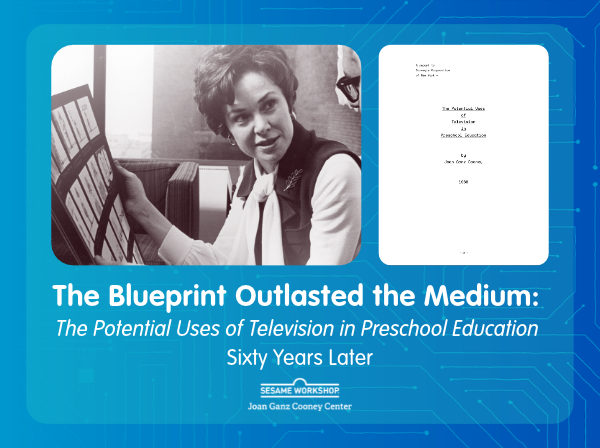
Fred was right, of course. It is tough: Every day, we’re deluged by more of what’s attractive and less of what’s good. Fortunately, Joan Ganz Cooney and her landmark report, The Potential Uses of Television in Preschool Education, can help us meet Fred’s challenge with grace.
In retrospect, it’s remarkable how much the report got right, especially given its unprecedented nature in 1966. Informed by a diverse array of experts (“the smartest, most talented people I could find”) and the hopes and needs of the people she aimed to serve, Mrs. Cooney crafted recommendations that can and should continue to guide us today. In an age of shortened attention spans, manipulative algorithms, and eroding capacities for thought, this report offers a blueprint not only for goodness, but for making that goodness attractive to kids and families alike.
For one, the report trusts children. Fred’s friend and contemporary knew that kids will, when presented with something of quality, rise to meet it with fascination and focus. The report trusts families, too, correctly asserting that with proper support, parents and caregivers will help their children flourish. Perhaps most importantly, the report respects audiences by insisting on the production values — “pace, humor, professional performing talent, film inserts, animation, and so forth” — that kids and families deserve.
Today, these values define the best of children’s media, from the continued work of Sesame Street to the tender kindness of Daniel Tiger’s Neighborhood to the everyday literacy of Phoebe & Jay. Perhaps it’s no wonder that such programs seem to spring straight from Joan Ganz Cooney’s playbook, even all these years later. The report is turning 60, but the vision she advanced is as timeless as ever.
If we want to make goodness attractive—an assignment on which our children’s futures depend—then we’re called to follow in Joan Ganz Cooney’s footsteps, creating media that’s worthy of the most important audience there is.
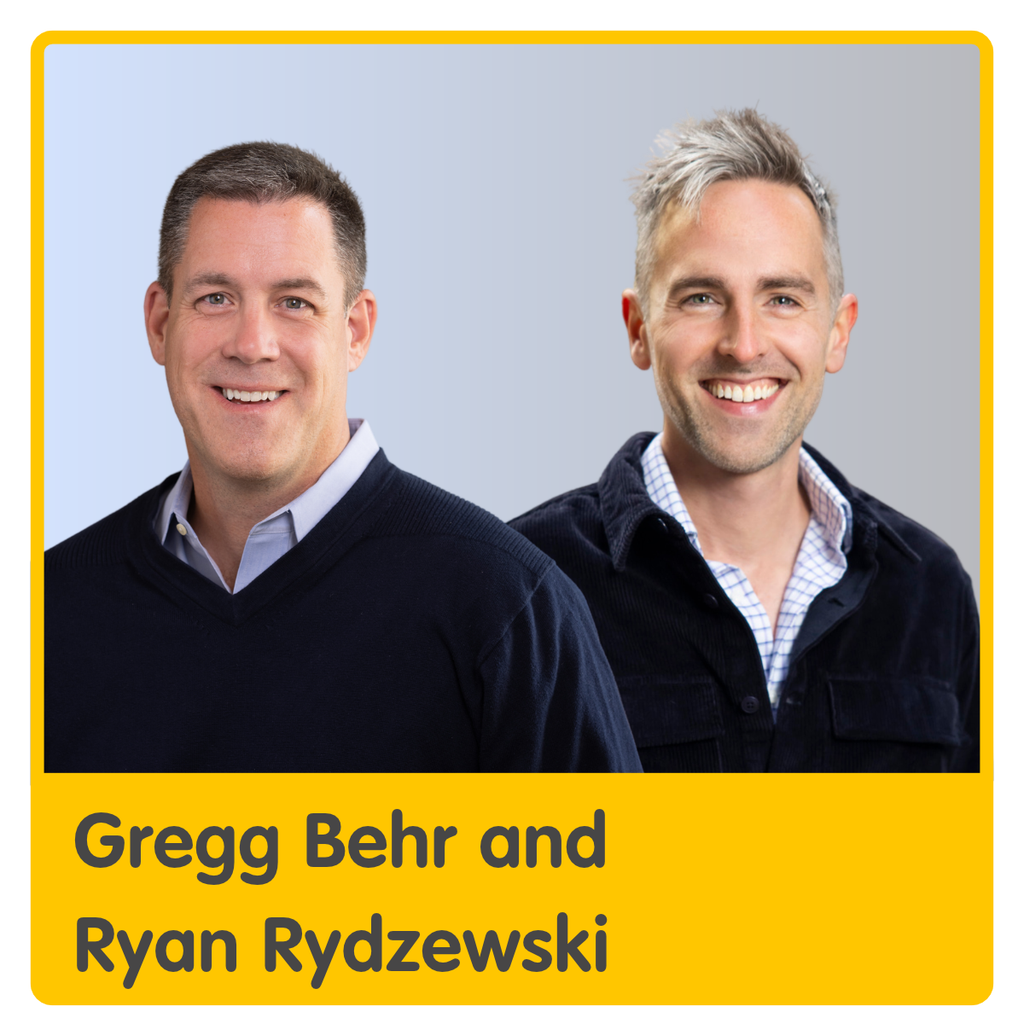
Gregg Behr is executive director of The Grable Foundation and chair of the PBS KIDS Advisory Board. Ryan Rydzewski is communications director for The Grable Foundation. Together, they’re the co-authors of When You Wonder, You’re Learning: Mister Rogers’ Enduring Lessons for Raising Creative, Curious, Caring Kids.