In the 1960s, FCC Commissioner Newton Minow famously called the television landscape “a vast wasteland.” With the rise of algorithmically driven video feeds, AI-generated content, and an endless stream of choices, how does today’s media landscape compare? Our contributors consider what it means to pursue quality in an environment shaped by commercial incentives and powerful new technologies—and why retreating from technology isn’t enough.
Joan Ganz Cooney was then, and would be today, an innovator. Then, television was king. Today, not so much. Then, she was sparked by a sense of mission: how best to utilize the entertaining medium of television to reach into the homes of rich and poor alike, to educate as well as entertain. Today, I’d wager she’d ask the same question of our multi-platform world that engages, and often obsesses, our children. Then, the nation’s concern was on improving traditional educational skills such as reading and math. That concern remains, but it pales given the deluge of information and disinformation our children cannot escape. They are exposed to an explosion of media platforms, seduced into the vortex of personalized media, all making it hard to differentiate the chaff from the wheat, the real from the false, the important from the trivial.
If I were undertaking Joan Ganz Cooney’s study today, I would focus on helping children develop two critical skills: how to differentiate what is true from what is false, and how to differentiate what is good from what is bad. Parents are left struggling to teach values and help their children build their own filters regarding what to view, what to engage with, and who to model themselves on. There is no place to hide anymore in a world where information is omnipresent. Sesame Street was made for multigenerational viewing, at a time when parents and children spent time watching media together. Today, joint media engagement rarely exists. Yet current events demand that children develop the critical thinking skills and values they will need to help build a better world tomorrow. They will need to understand complexity in evaluating right from wrong, choosing generosity over selfishness, integrity and pride in effort and accomplishment, not just fame or popularity.
In a media world reaching ever downward to the lowest common denominator, I think Joan Ganz Cooney would take on this challenge. She would know it is hard. She would lay down some simple guidelines: yes, we cannot educate without engagement. But that engagement cannot come at the expense of real knowledge and the values that are the backbone of American society. It would be quite the challenge. But she—and we—should be up for it.
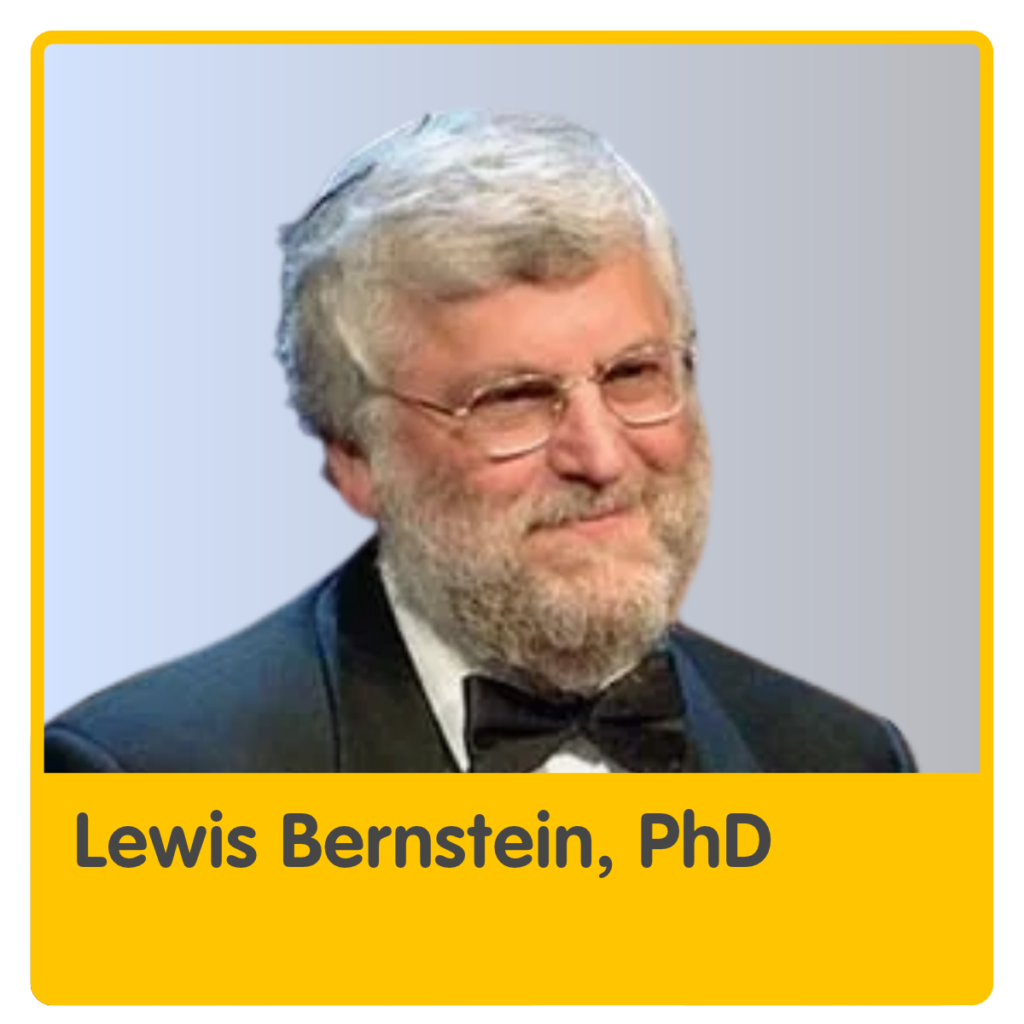
Dr. Lewis Bernstein had the privilege of working at Sesame Workshop for 43 years, as a VP of Education, Research, and Outreach and as an Executive Producer. He is the founder of 3 G mentoring, a project with other Sesame Workshop alumni to address mental wellness, building connections and community among older adults, young adults and young children.