This summer, we’ve seen the continuation of a long-held conversation about the literacy crisis in the U.S.; some have even declared that the end of reading is here. Children (and adults) are reading less for pleasure, reading fewer full-length books, and relying on video-based media to access new information.
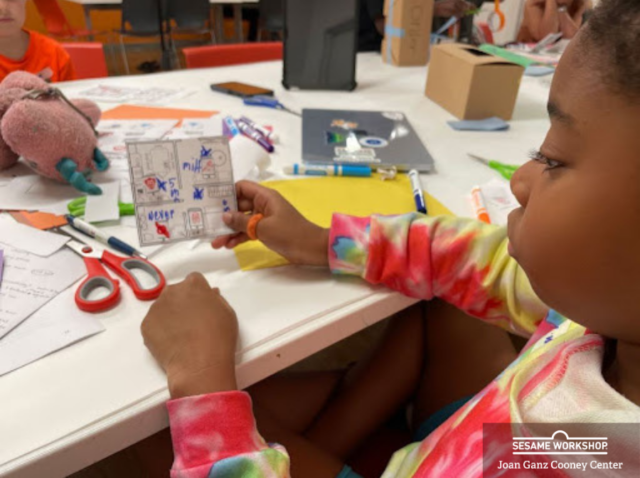
At the same time, many people continue to advocate for reading, writing, and creating, such as organizations connecting children to books at their neighborhood barbershop or best-selling children’s book authors creating a podcast to talk to kids about the process of writing. Many people are also sharing their love of reading through social media channels such as “Bookstagram” (and “BookTok” – though I haven’t explored it, I’ve heard it’s wild over there).
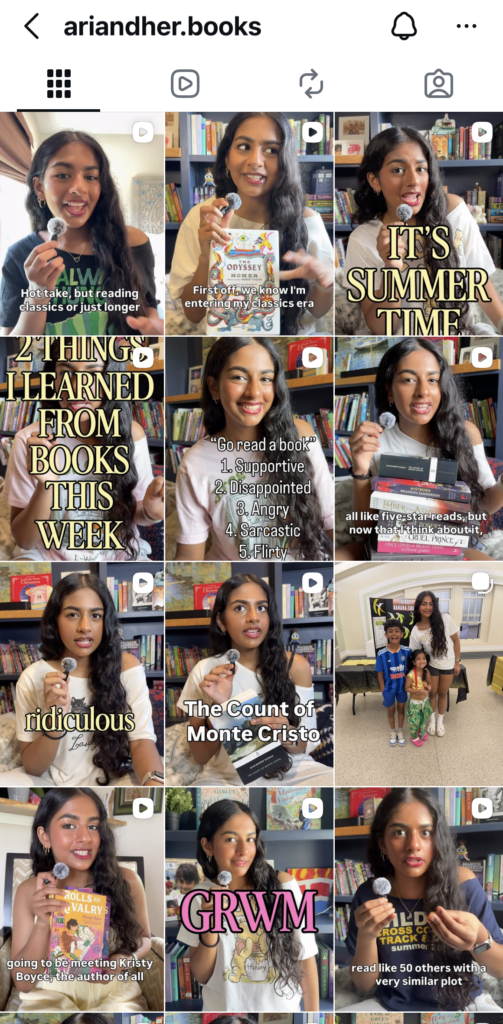
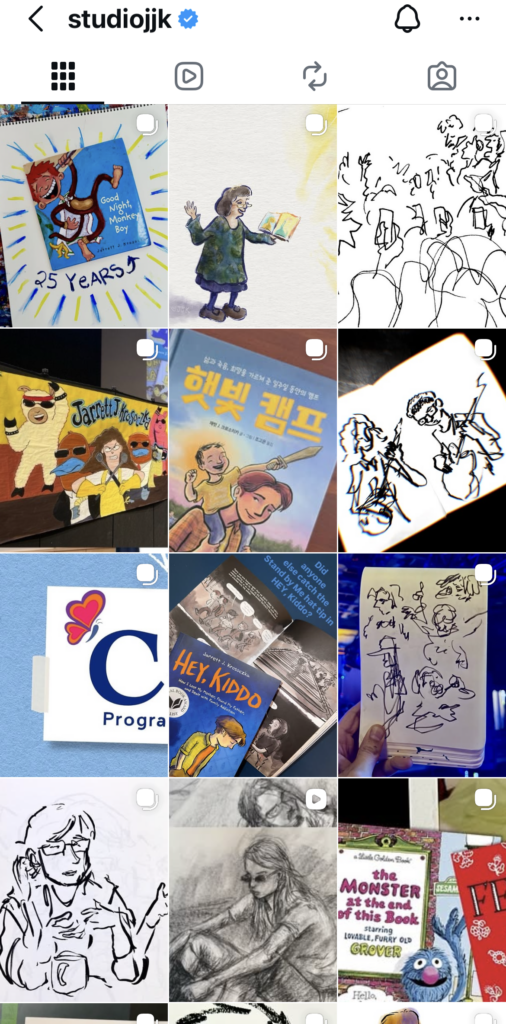
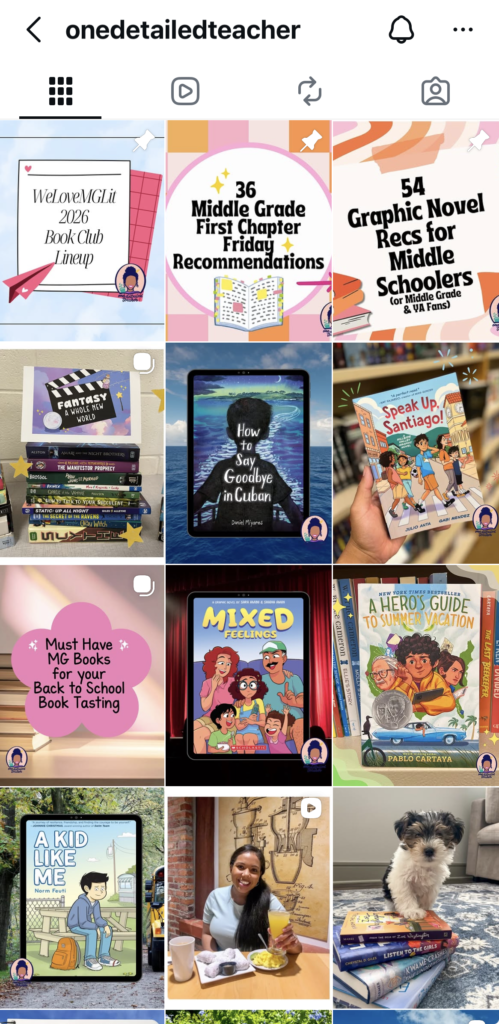
I had the pleasure of speaking with three champions of reading representing different perspectives: an author, an educator, and a teen, who are inspiring kids who may not typically consider themselves readers. Jarrett J. Krosoczka (@StudioJJK) has created 50 titles for kids over the last 25 years, including the Lunch Lady graphic novel series for elementary readers and Hey, Kiddo, a young adult graphic memoir that was a National Book Award finalist. Cierra Courville is an ESL & ELA teacher who currently teaches 8th grade in a large Texas school district and shares the books she and her students love on her Instagram account @onedetailedteacher. And Ariana is a high school sophomore in Illinois who started her own book recommendation account in 2022 (@ariandher.books) after falling in love with the Gregor the Overlander series by Suzanne Collins during COVID.
Myth-busting about why kids are reading less
It’s easy to assume that kids are reading less because they just don’t enjoy reading, or that they prefer technology use and the lure of endless scrolling. But I’d argue there’s more nuance than just two groups of kids: those who love reading and those who hate reading. From her youth perspective, Ariana shared that a big misconception is that kids don’t read because they’re lazy: “There are a lot of kids my age who read, or try to read…They’re not actively avoiding books, so you can still talk to them about books, because they still have a couple series that they hold close to their heart; it’s just they don’t have time now to keep reading.”
Even adults struggle with spending more time on screens than we might like to admit, and it takes mental energy to set our phones down and pick up a book. Most kids have afterschool and weekend activities that cut into open-ended free time, and many also don’t have a lot of fun books available at home to read. As a bookstagrammer, Ariana is sometimes sent Advanced Reader Copies (ARCs) from authors she likes (thrilling the first time this happened!) but many kids do not own the kinds of books they might enjoy outside of school or live in communities classified as “book deserts.”
Helping kids find the right book
A key step in encouraging kids to read is getting the right books into their hands. Jarrett comments on his experience: “What I see when I go to schools, especially when I hear from male readers who are 12 and older, is how surprised they are that they enjoyed reading my book. I might meet a 17-year-old male student who would say, ‘I haven’t read a book since 6th grade when I had to’.” Cierra sees finding the right book for a kid as her “teacher talent.” She starts every school year with a “book tasting” and personality worksheets where she asks students questions about their favorite TV shows, hobbies, and family dynamics that help her identify the books that will pull them in. As a result of this investment, she states, “I do feel like I have tons of reluctant readers enjoying books.”
Compounding the challenge of matching books to readers are the increasing hoops that educators have to jump through to keep books in their classrooms. Cierra shared that over the last few years, state policies have shifted from allowing middle grade books she’s vetted to be in her classroom library, to requiring that any book in the classroom library also be in the school library with librarian review, to allowing 30 days for parent review before it can be put in the classroom. As an author, Jarrett adds that book bans result in fewer school visit invitations because people are nervous about community reactions, particularly if a book represents characters from “diverse” backgrounds, which in turn can dampen sales and new publishing deals. Book banners have targeted his own memoir due to language, drug use, and young unwed mothers, to which he responds, “When we’re telling kids that the content of this book is inappropriate, and that kid’s life is mirrored in that book, you’re telling the kid their existence is inappropriate.”
Ariana points out that technology can play a positive role in surfacing new reads for kids and adults. In addition to ever-important human recommendations, she adds that “so many teenagers are already on their phones, already on social media, scrolling, and sometimes the algorithm decides to recommend something new, so that’s how they end up on Bookstagram, or BookTok, or any of these communities.” She finds many of her new books this way, and with access to apps like Libby, Hoopla, and Kindle, can often grab something to read or listen to on the go.
Reading and creating as a form of connection
A common theme that emerged from my conversations was how reading and creating can offer a source of connection for kids who are open to it. Jarrett spoke about the importance of his journey as an artist and how it supported his mental health: “I think a big part of why I loved writing and making comics as a kid was because it was a space that I could control. And so, amongst all the chaos, I could take solace in art and making.” Technology offers opportunities to connect and learn from our favorite authors in ways we couldn’t years ago: authors like Jarrett have started YouTube channels to “demystify the creative process” where kids can learn directly from them about how to create stories such as graphic novels.
Ariana was initially hesitant to share her Bookstagram account beyond her closest friends but has found, as the word’s gotten out, that kids think it’s cool and even ask for suggestions. She recently made a recommendation to a track teammate who usually has very little time for reading but saw her post about YA romance and was excited to try the K-pop-inspired XOXO by Axie Oh. Ariana lent her the book, and the friend ended up devouring it in four days.
Cierra also creates opportunities outside of school, such as book clubs, for her middle schoolers to discuss and engage in social activities related to their books. One of her strategies is First Chapter Fridays, where she reads the first chapter of a book aloud to hook them, then invites interested students to check it out of her classroom library. One week, she started Free Lunch by Rex Ogle, and the first student to get the book was a girl who had struggled with reading and had only been reading graphic novels. Cierra reports that her student was “so shocked that she was reading a book without pictures and enjoyed it. She finished the book cover to cover, and she was …like, I can’t believe I did it. She’s like, this book is so good. Has he written anything else?” 😍
While the think pieces on whether society is post-literate will continue to be published, let’s not throw up our hands. Like Jarrett, Cierra, and Ariana, we can challenge ourselves to inspire and connect kids with a love of reading. Let’s model reading in the home, show enthusiasm for all genres (not just the ones we think we should be reading), and gift books to the kids in our lives. Let’s connect kids and adults with authentic, diverse literature and listen to children’s voices on what they genuinely want from books.
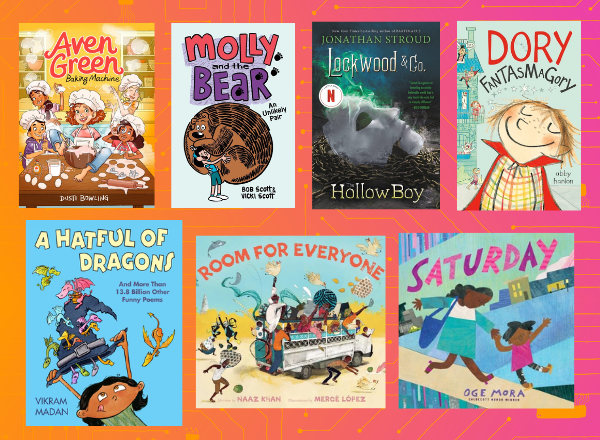
Books we wish more readers knew about:
Room for Everyone by Naaz Khan & Mercè López
Saturday by Oge Mora
Dory Fantasmagory series by Abby Hanlon
Aven Green series by Dusti Bowling
Molly and the Bear: An Unlikely Pair by Bob Scott & Vicki Scott
A Hatful of Dragons by Vikram Madan
Lockwood & Co. series by Jonathan Stroud