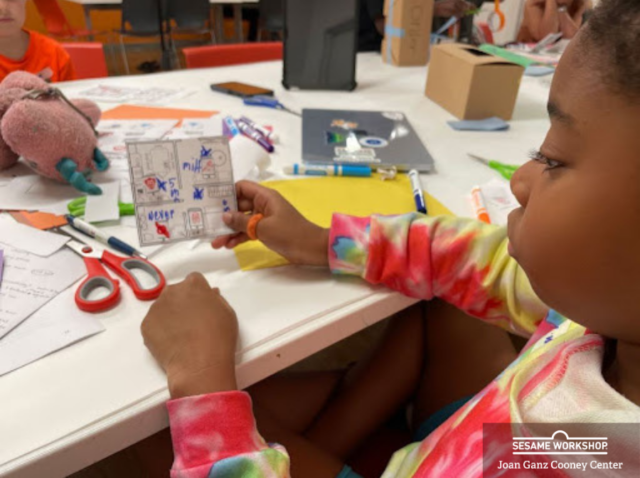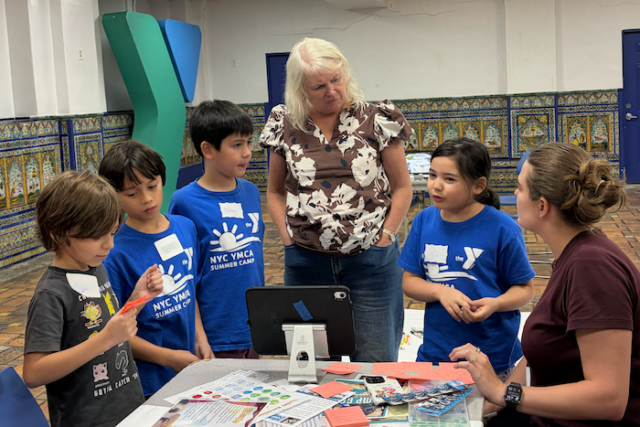
Schools are experiencing real tension over how to teach students about AI: what it is, how it’s used, and how to use it responsibly. Can we create tech products that use AI to foster student agency and learning by including educators and students in the design process? This case study shows how researchers at The GIANT Room and the Joan Ganz Cooney Center, with funding from the Robin Hood Learning + Technology Fund, collaborated closely with a group of teachers and their second- and third-grade students in Title I schools to co-design The GIANT Remix, an AI-powered platform built to support children’s literacy and creativity.
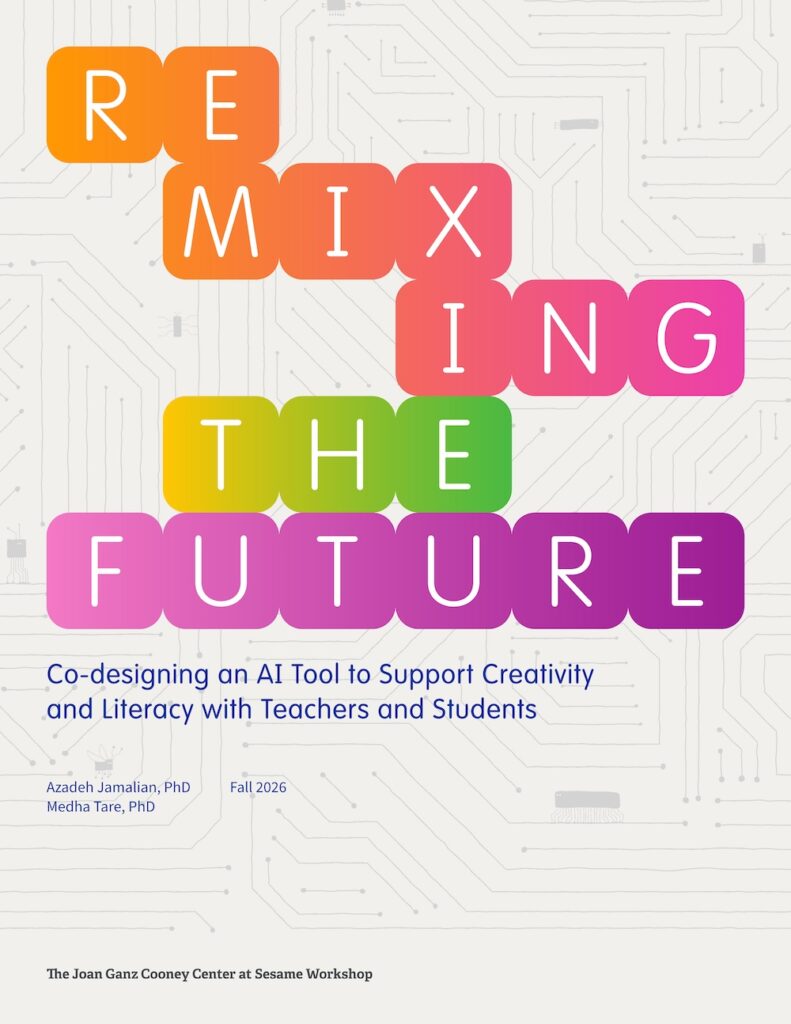
Remixing the Future surfaces insights from that co-design process: what it takes to build a tool that fosters rich classroom discussion, deepens learning, and builds young students’ sense of agency as thinkers, writers, and creators. Drawing on classroom observations with second- and third-grade students, interviews with teachers and parents, and student writing samples collected across three semesters, the report distills six insights for anyone building AI tools for schools: empowering teachers to set the learning goals AI should support, strengthening core curriculum and AI literacy together, keeping hands-on creativity at the center of AI-powered learning, designing for peer collaboration and celebration, using AI to build students’ critical thinking and identity as writers, and, critically, keeping a human in the loop at every high-stakes decision point.
The result is both a case study and a practical model: a look at how one AI tool was shaped by the students and teachers who use it every day, and a set of design principles for building AI responsibly with, not just for, the classrooms it’s meant to serve.